
Dartmouth Precollege Summer Scholars
Dartmouth Precollege enrolls high school students from around the world for an intensive two-week summer course on our campus in Hanover, NH. Six sessions run from June 27 to Aug. 13, 2027.
This email has already been used to submit a request. Please reach out if you have any questions or want to learn about another campus.
Dates
Six two-week sessions, June 27 to Aug. 13, 2027
Location
Dartmouth campus, Hanover, NH
Options
Residential, or commuter for Summer Scholars courses
Next deadline
Early application, Dec. 15
A summer at Dartmouth
Learning Alongside Dartmouth Students
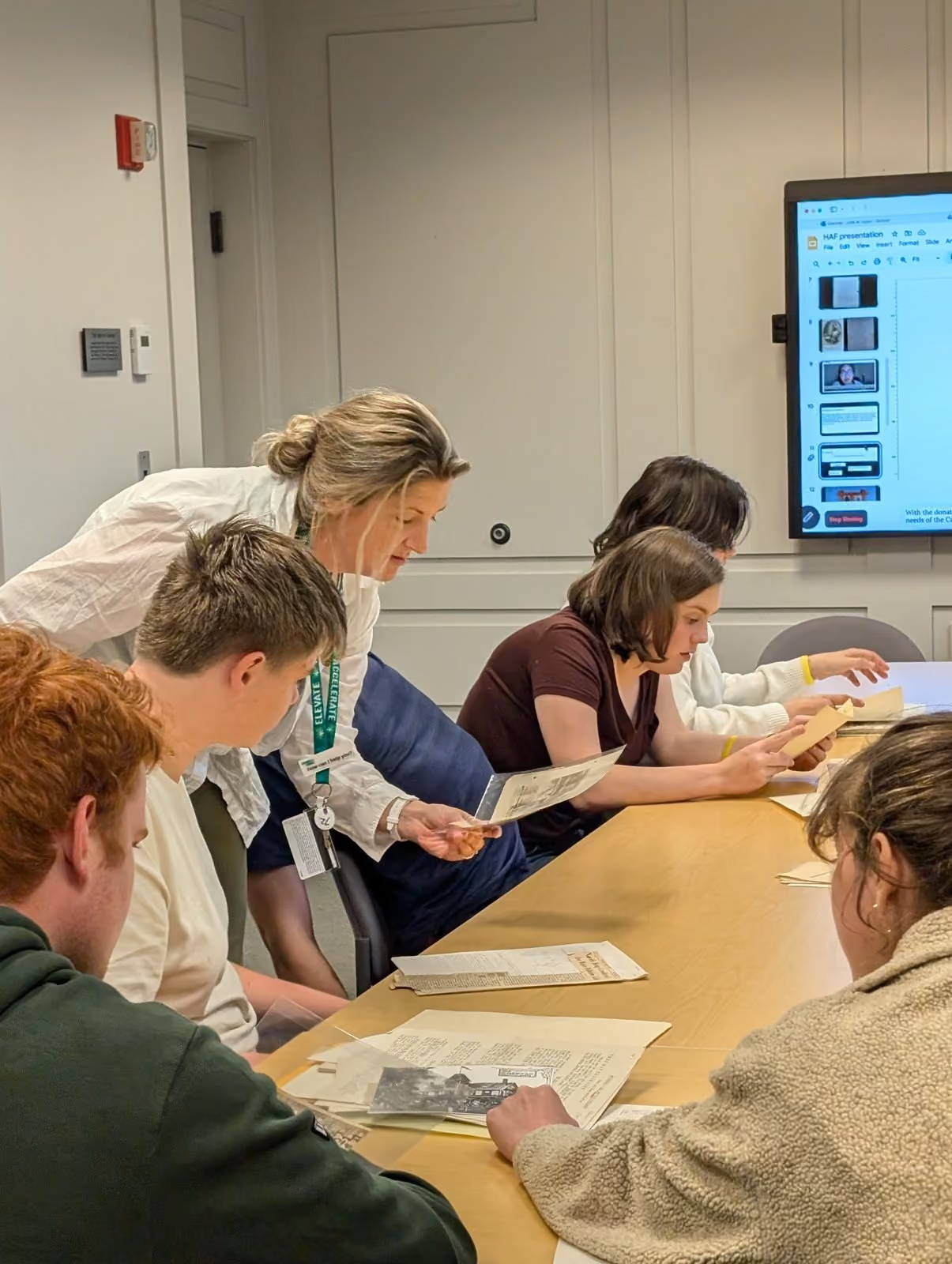
Summer Scholars students work with Dartmouth undergraduates throughout the program. Course assistants and student associates are enrolled Dartmouth students, weekly panels are led by undergraduates, and writing center tutors meet with students to talk through their work.
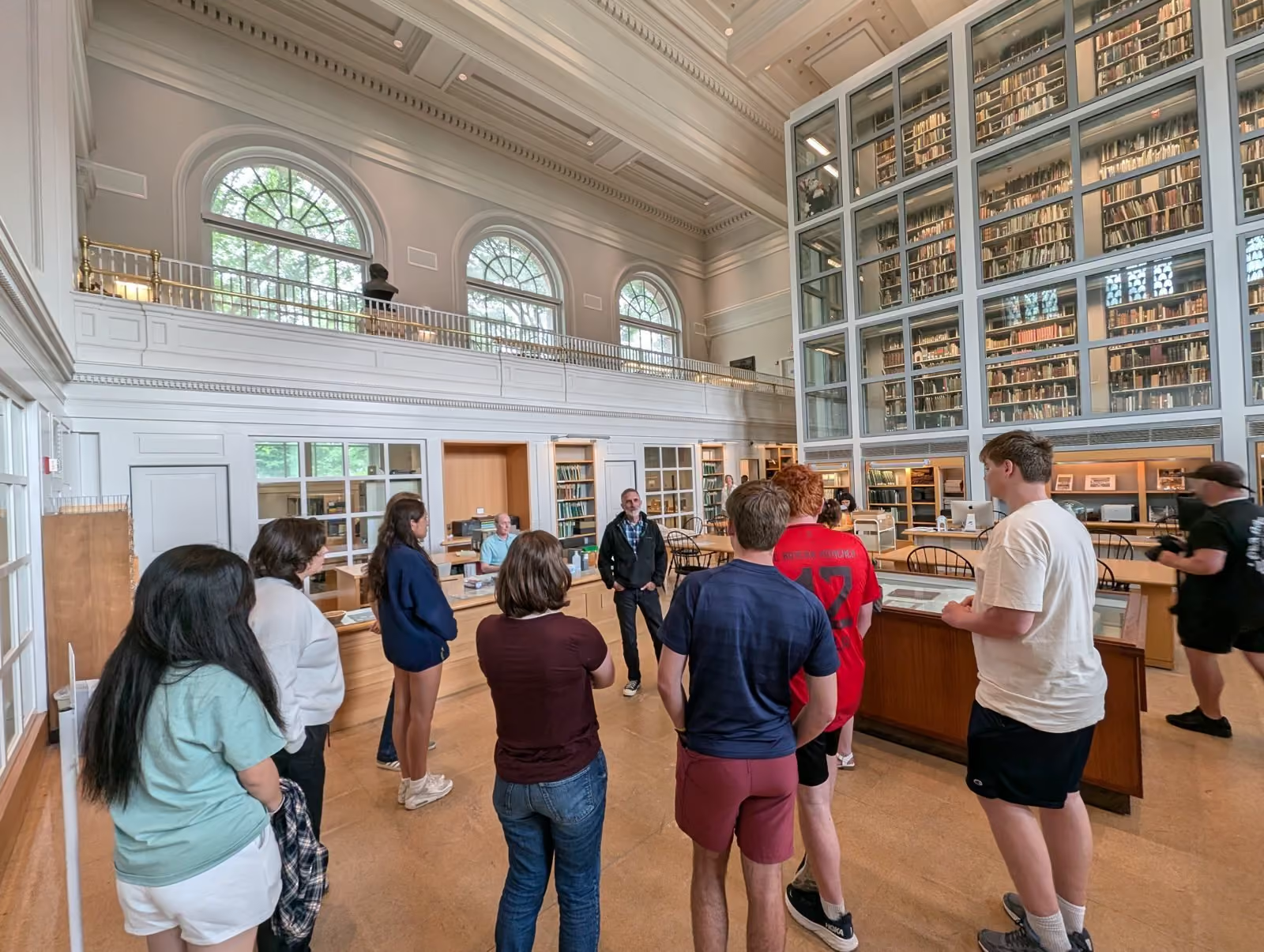
Summer is a full academic term at Dartmouth. Students spend the summer after sophomore year in residence, so more than 1,000 undergraduates are on campus taking classes, working in labs, and leading the teams and organizations they belong to. The libraries and the writing center keep their regular hours.
Instructors are Dartmouth affiliates: faculty, staff, lecturers, and senior lecturers who teach undergraduate and graduate students during the academic year, along with alumni, emeritus faculty, and postdoctoral scholars. In every Summer Scholars course, students work with current research in the field, discuss it with instructors and classmates, and see how the subject plays out in college majors and careers.
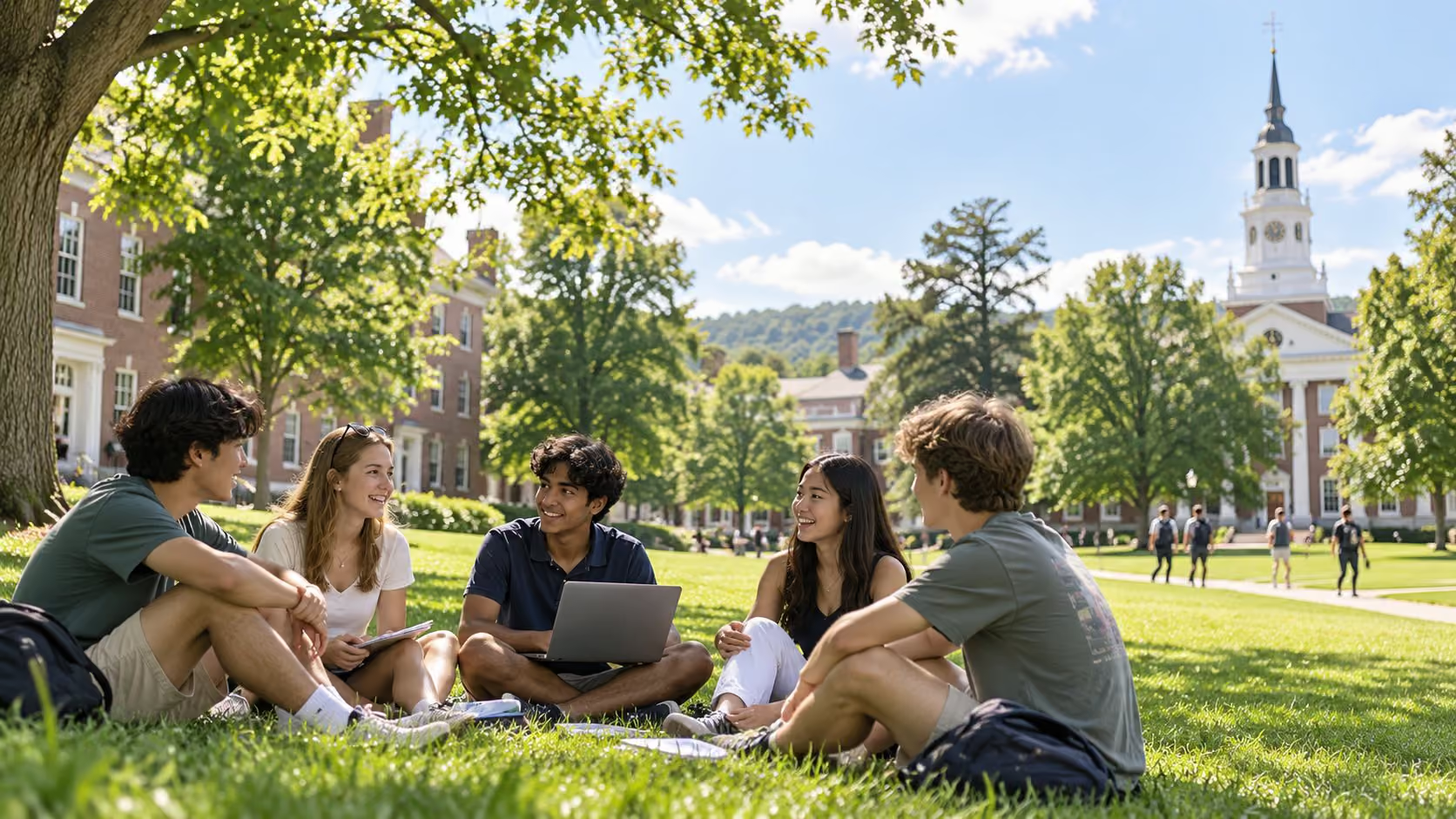
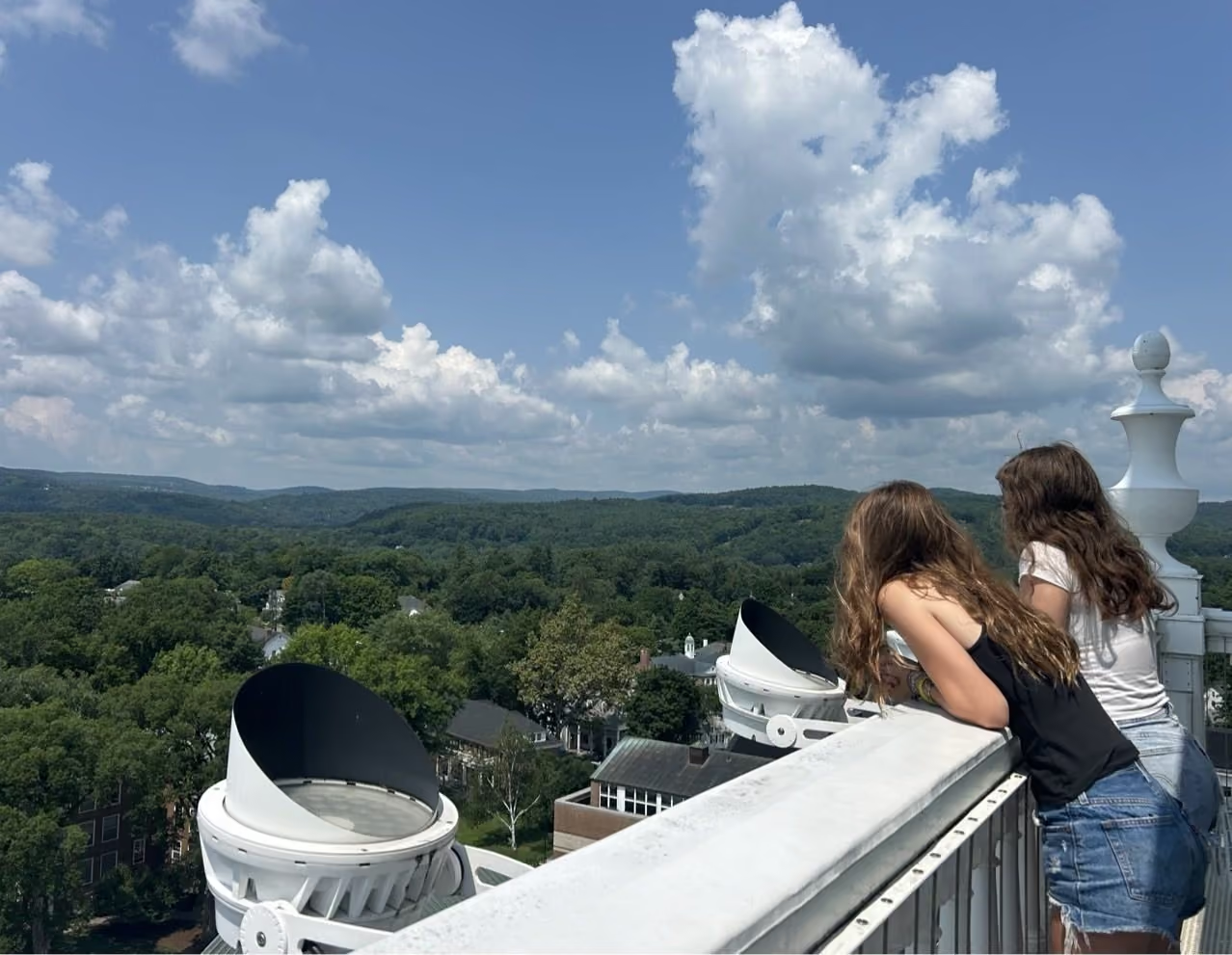
Hanover sits between the Connecticut River and the White Mountains, with Main Street a short walk from the residence halls. For students looking to experience the quintessential New England college town, it doesn’t get better than this.
Programs
Summer Scholars or The Dartmouth Leadership Institute
Both programs put students on Dartmouth's campus with Dartmouth instructors. What differs is how the two weeks are spent.
Explore a subject
Summer Scholars
Students take one intensive course in a subject they choose, designed by the Dartmouth instructor who teaches it. Courses range from medicine and neuroscience to engineering, business, conflict resolution, and creative writing. Courses are taught at the college level and are not for grades or credit, so students can challenge themselves with college level material without the pressure of an exam at the end.
Choose this program to test your interest in an academic field before committing to it in college.
Six sessions, June through August
Residential or commuter
One course, with five hours of class each day

Develop as a leader
The Dartmouth Leadership Institute
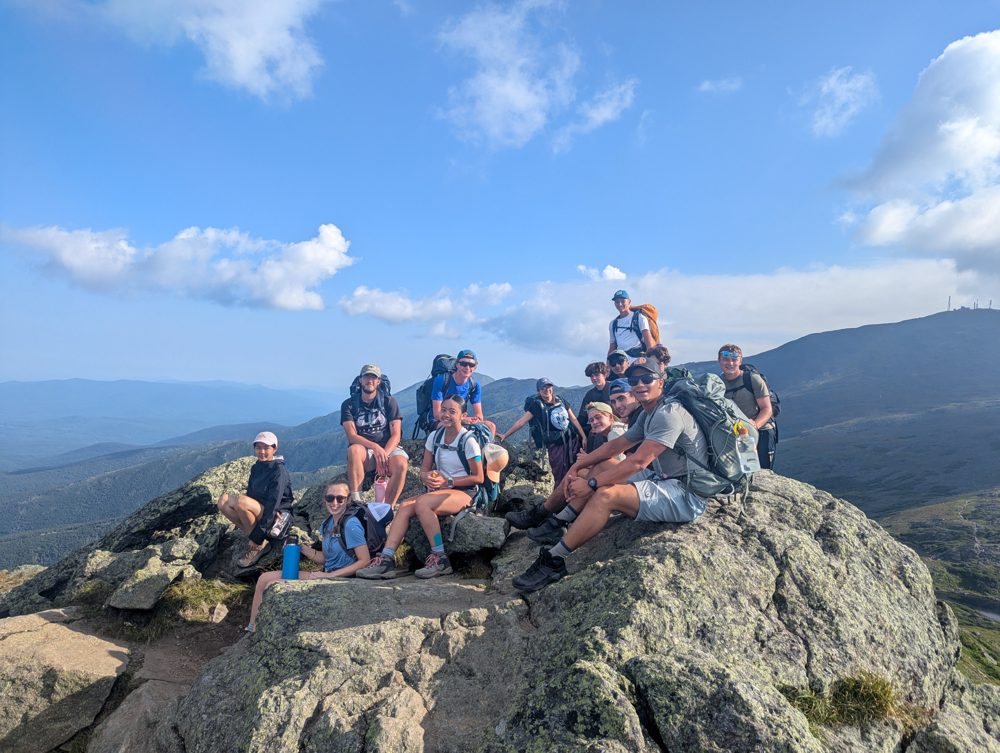
The Dartmouth Leadership Institute is a two-week leadership program for high school students. Students study leadership as a practice. The first week on campus covers leadership models, self-assessment, and case discussion. The second week moves to Dartmouth's Moosilauke Ravine Lodge or the Appalachian Mountain Club in the White Mountains, where hiking, navigation, and team challenges test what students have learned. Each student leaves with a written leadership philosophy and specific examples of how they handled real situations.
Choose this program to develop as a leader. Not only will you learn about the study of leadership, you will also apply it to your own personal development, with insight from peers and instructors. Students should expect substantial time outdoors.
Three sessions: July 4 to 16, July 18 to 30, and Aug. 1 to 13
Residential only
Second week off campus, including hiking, orienteering, team challenges and service leadership
Side by side
Summer Scholars
The Dartmouth Leadership Institute
What students do
Take one college-level course in a subject they choose.
Study leadership on campus in week one, then put it into practice outdoors in week two.
Who it suits
Students testing an academic interest, a possible major, or a career field.
Students who want to work on how they decide, work with others, and handle unfamiliar situations.
2027 sessions
June 27 to July 9, July 4 to 16, July 11 to 23, July 18 to 30, July 25 to Aug. 6, Aug. 1 to 13
3 sessions: July 4 to 16, July 18 to 30, Aug. 1 to 13
Living
Residential on campus for both weeks, or commuter for local students
Residential only, with off-campus stays in week two. No wifi, on purpose.
Time outdoors
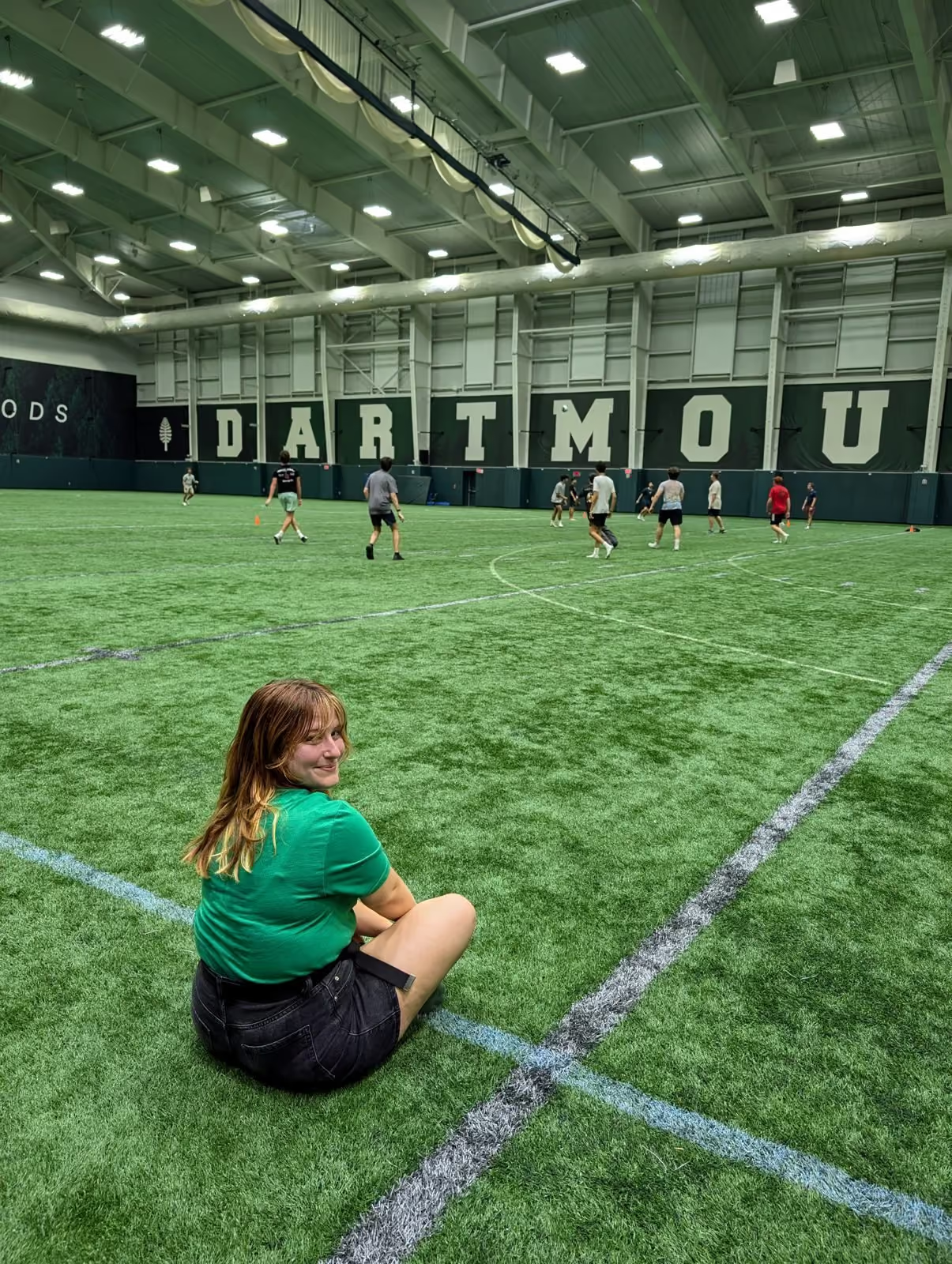
Afternoons to explore campus and Hanover, with options to go canoeing and climbing through Dartmouth Outdoor Programs. Weekends bring excursions around New England.
In sessions 1 and 3, students spend the second week at Moosilauke Ravine Lodge. In session 2, they take a three-day backpacking trip in the White Mountains.
Summer Scholars
What students do
Take one college-level course in a subject they choose.
Who it suits
Students testing an academic interest, a possible major, or a career field.
2027 sessions
June 27 to July 9, July 4 to 16, July 11 to 23, July 18 to 30, July 25 to Aug. 6, Aug. 1 to 13
Living
Residential on campus for both weeks, or commuter for local students
Time outdoors
Afternoons to explore campus and Hanover, with options to go canoeing and climbing through Dartmouth Outdoor Programs. Weekends bring excursions around New England.
The Dartmouth Leadership Institute
What students do
Study leadership on campus in week one, then put it into practice outdoors in week two.
Who it suits
Students who want to work on how they decide, work with others, and handle unfamiliar situations.
2027 sessions
3 sessions: July 4 to 16, July 18 to 30, Aug. 1 to 13
Living
Residential only, with off-campus stays in week two. No wifi, on purpose.
Time outdoors
In sessions 1 and 3, students spend the second week at Moosilauke Ravine Lodge. In session 2, they take a three-day backpacking trip in the White Mountains.
A day at Dartmouth
What a Day Looks Like
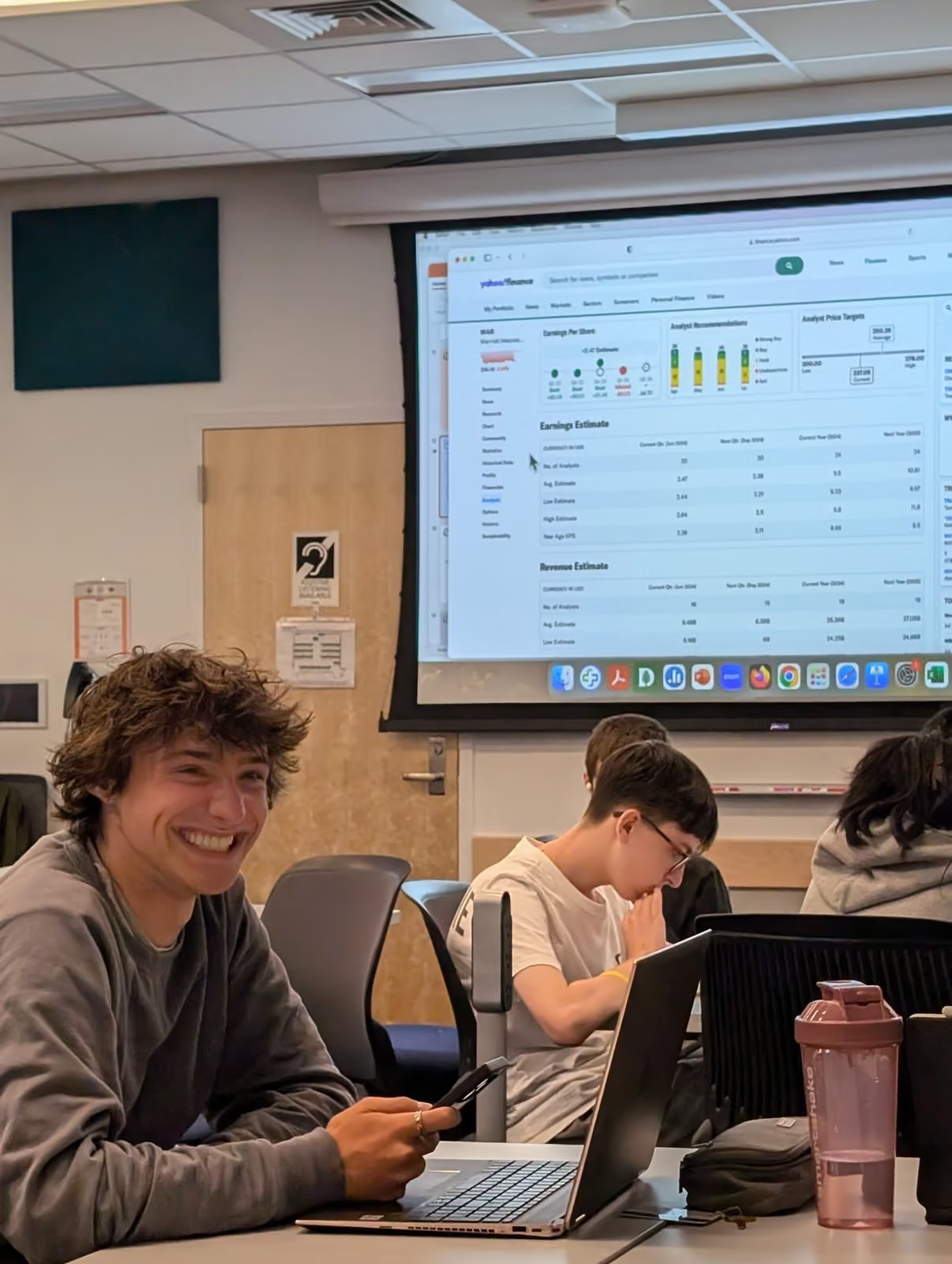
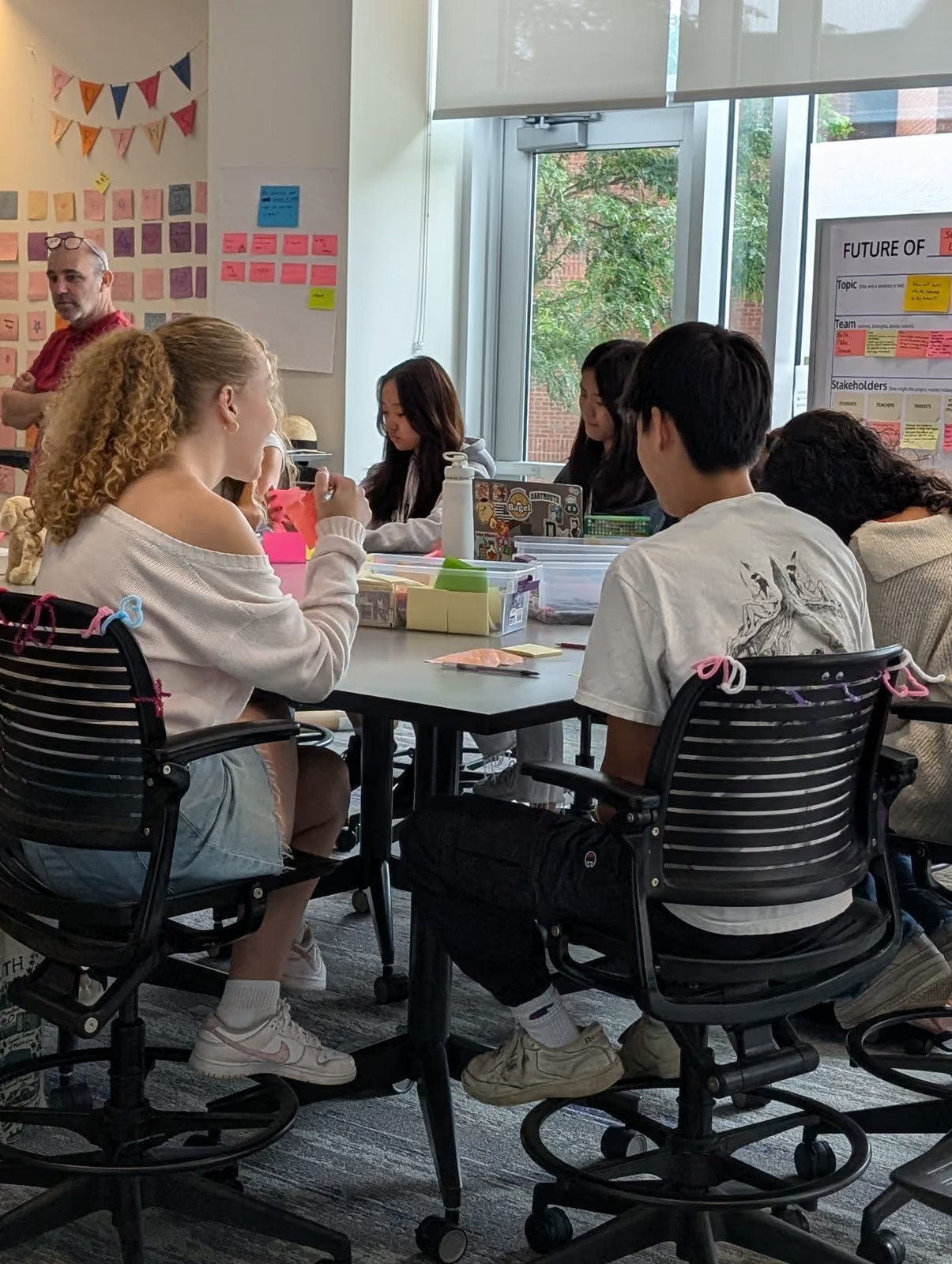
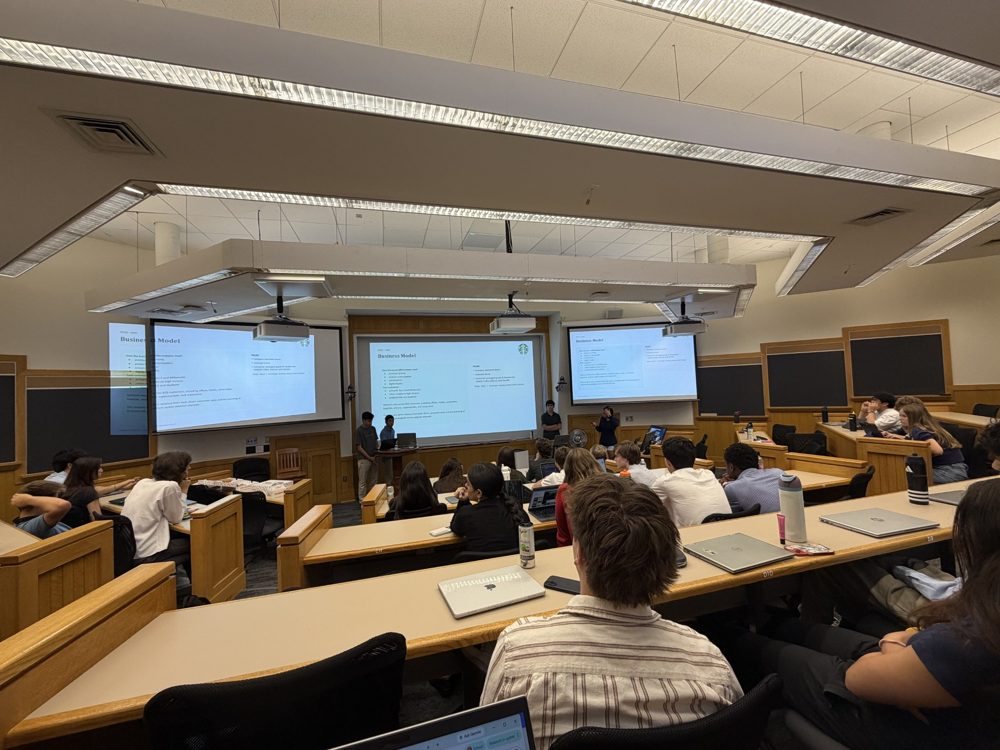
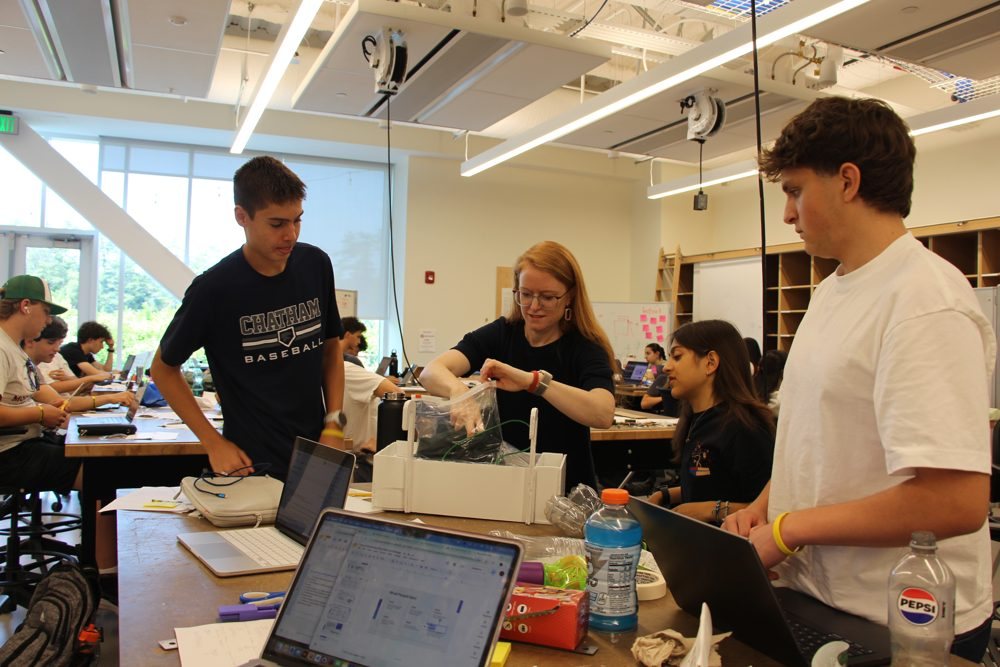
Students are in class five hours a day, across nine class days: Monday through Friday in the first week, and Monday through Thursday in the second. Courses are hands-on by design. Depending on the subject, students might design and build a prototype, study the genetics of human disease, or practice negotiation.
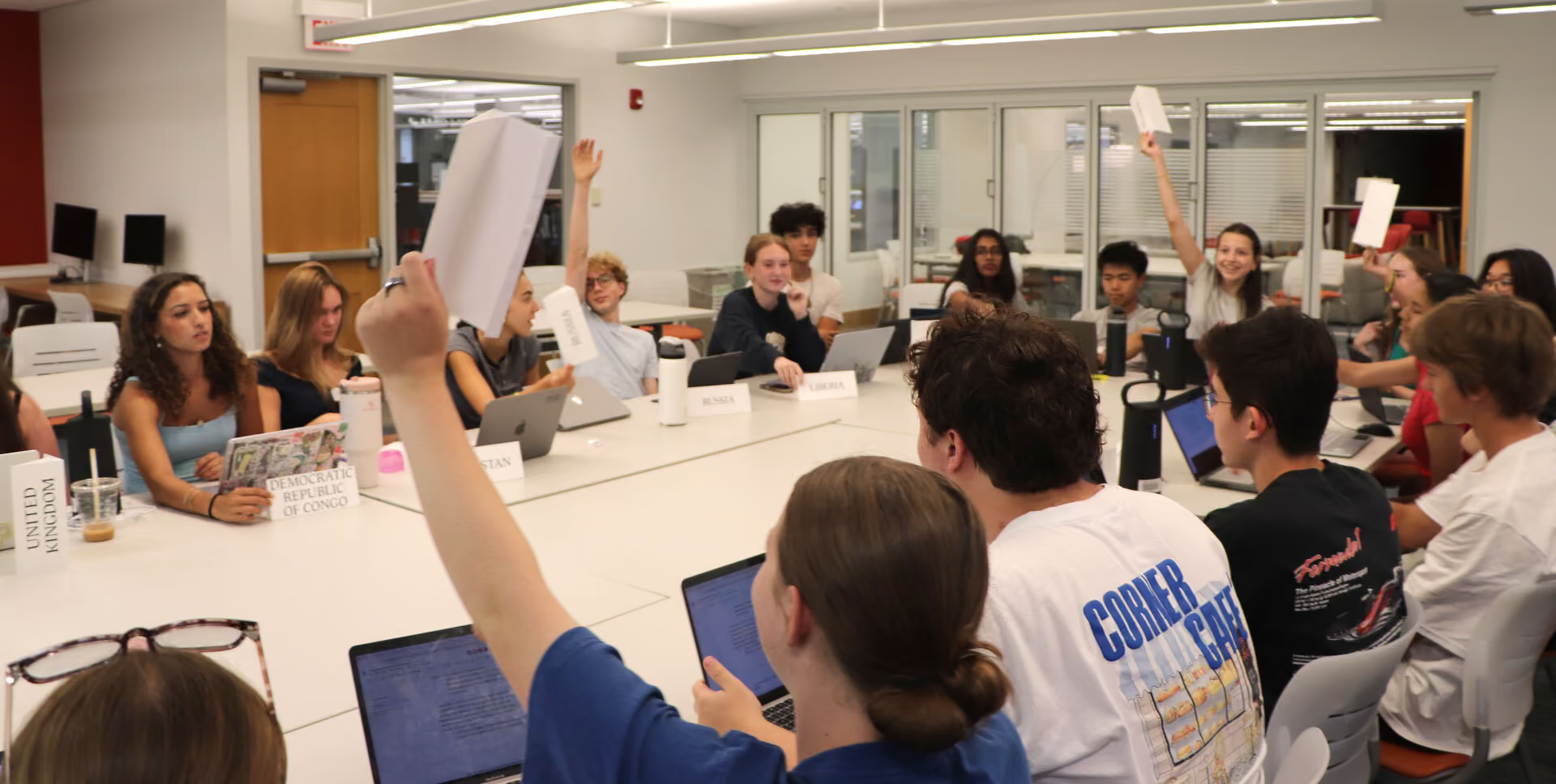
Recent examples from the catalog: a conflict resolution course ran a United Nations simulation with speakers from the John Sloan Dickey Center for International Understanding. A medicine course toured a hospital and worked in campus labs. A creative writing course met at the Robert Frost statue and took a curator-led tour of the Hood Museum. Entrepreneurship students interviewed people on the Green and built prototypes in the machine shop.
The rhythm of a session
Sunday
Arrival and move-in
Class days
Class, 9 a.m. to noon and 2 to 4 p.m., Monday through Friday in week one and Monday through Thursday in week two. Labs run during class time.
Afternoons and evenings
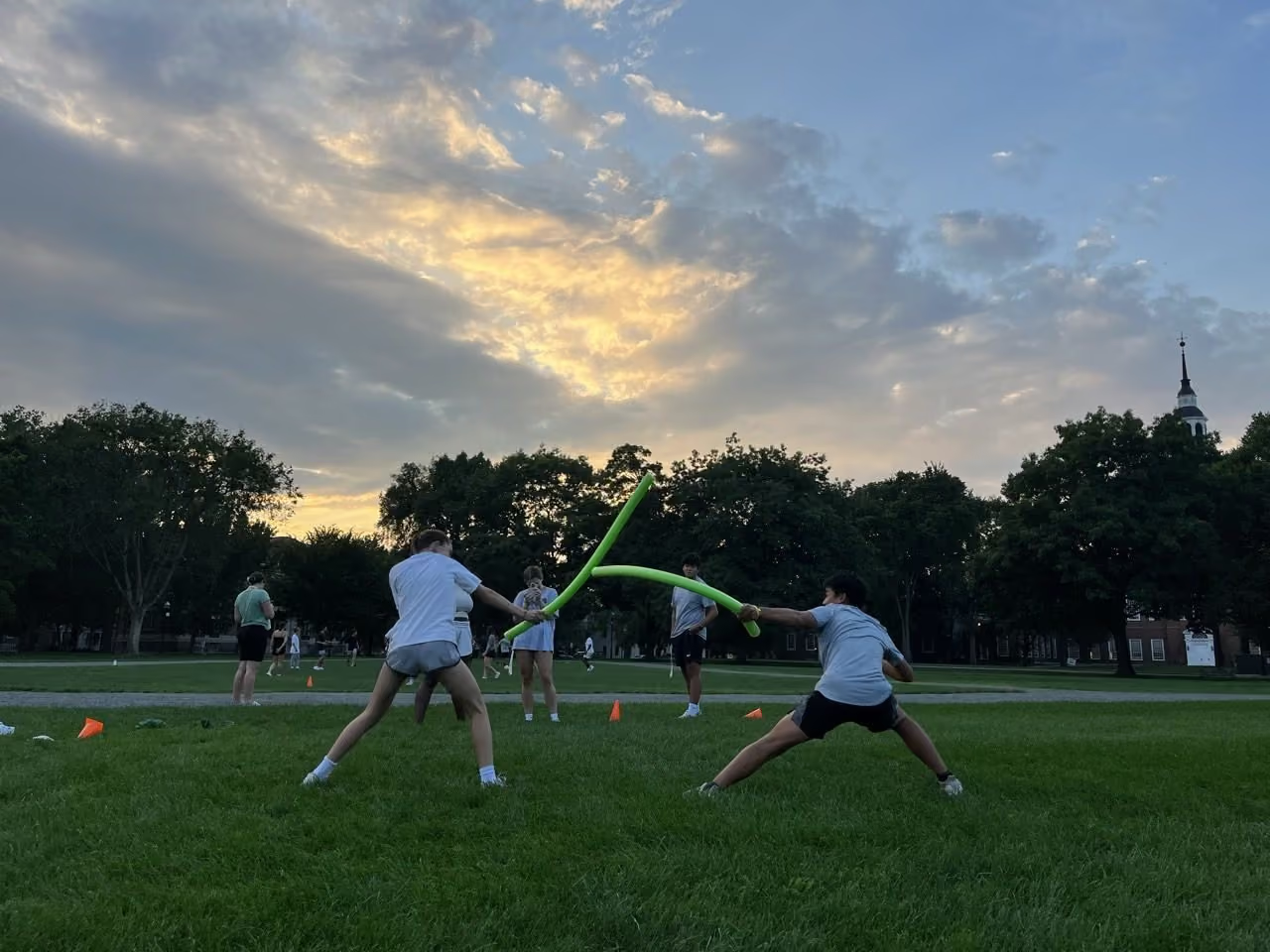
Private admissions tours, undergraduate panels, and workshops from the Writing Center and Academic Skills Center. Canoeing and climbing with Dartmouth Outdoor Programs. Evenings bring trivia, karaoke, Dartmouth student performances, and local concerts.
Weekends
Excursions around Hanover and New England, with transport included
Outside of Class: Summer Scholars
Part of what makes a Dartmouth Summer Scholars course so special is the incredible classmates from around the world. Last year, we welcomed students from 34 states and 31 countries. In your afternoons and evenings, deepen relationships with these new friends and prepare for the worldwide perspective you’ll gain studying in a place like Dartmouth.
Afternoons and evenings belong to students. Across a typical week, there are campus admissions tours with trained student guides, a personal statement workshop run by writing center tutors, a panel with Dartmouth undergraduates, and time at the climbing gym. Evenings and weekends bring activities in the residence halls, on campus, and around New England. Commuter students participate fully in classes and daytime campus activities, then return home for evenings and weekends.
Outside of Class: The Dartmouth Leadership Institute
The first week follows a similar rhythm on campus. In the second week the program moves off campus, where hiking, orienteering, team challenges, and service leadership put leadership into practice: deciding when to step forward, when to listen, how to adapt, and how to support others. Each experience is followed by structured reflection, and students finish by writing a personal 'This I Believe' leadership essay. The rest of the time is picnic lunches at a local lake, swimming in New Hampshire rivers and waterfalls, canoeing, contra dancing with Dartmouth undergraduates, and campfires at the end of the day.
Courses
Courses for Summer 2027
Summer Scholars courses are open for 2027, with more added through the fall. Each one is designed by the instructor who teaches it, around their own research and expertise. Browse by subject, then read the full course description and apply.

The Dartmouth Leadership Institute
Residential only · second week in the White Mountains
Explore the Institute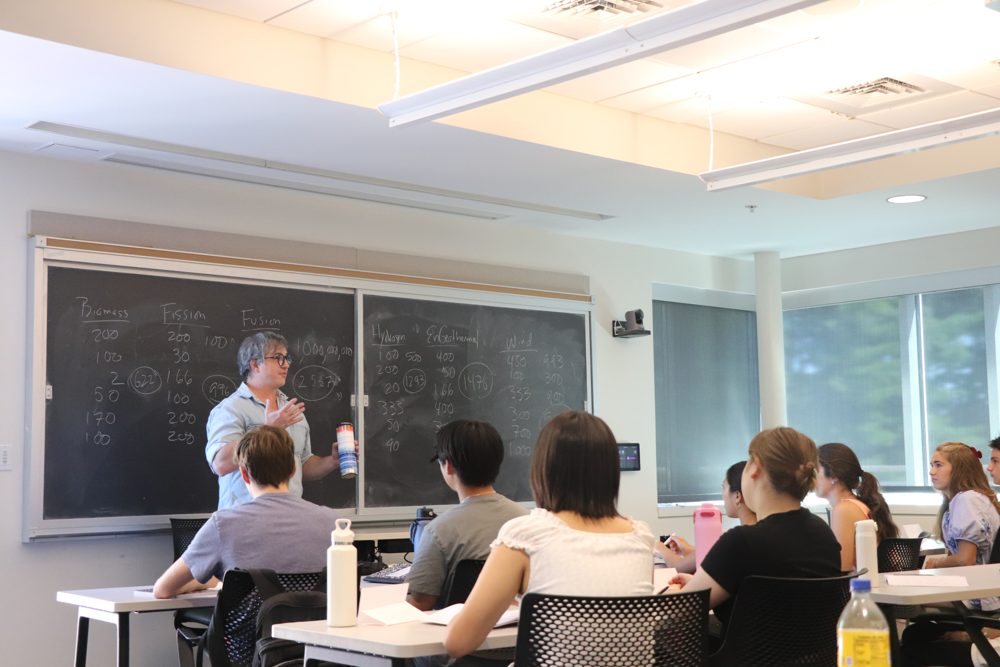

Psychology and Cognitive Neuroscience
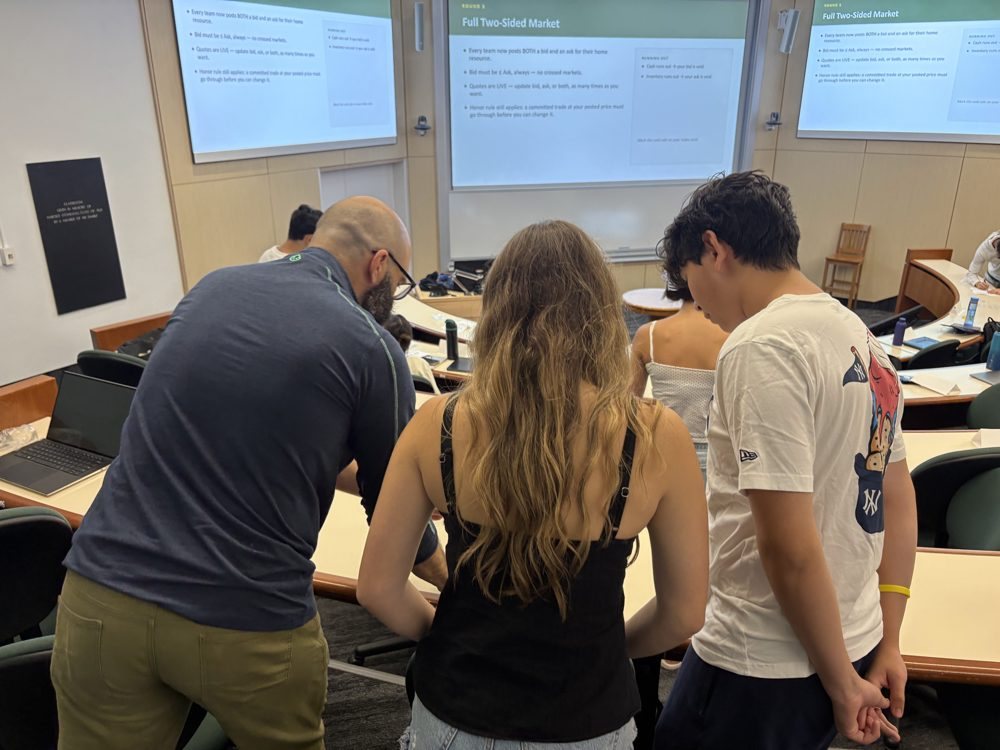
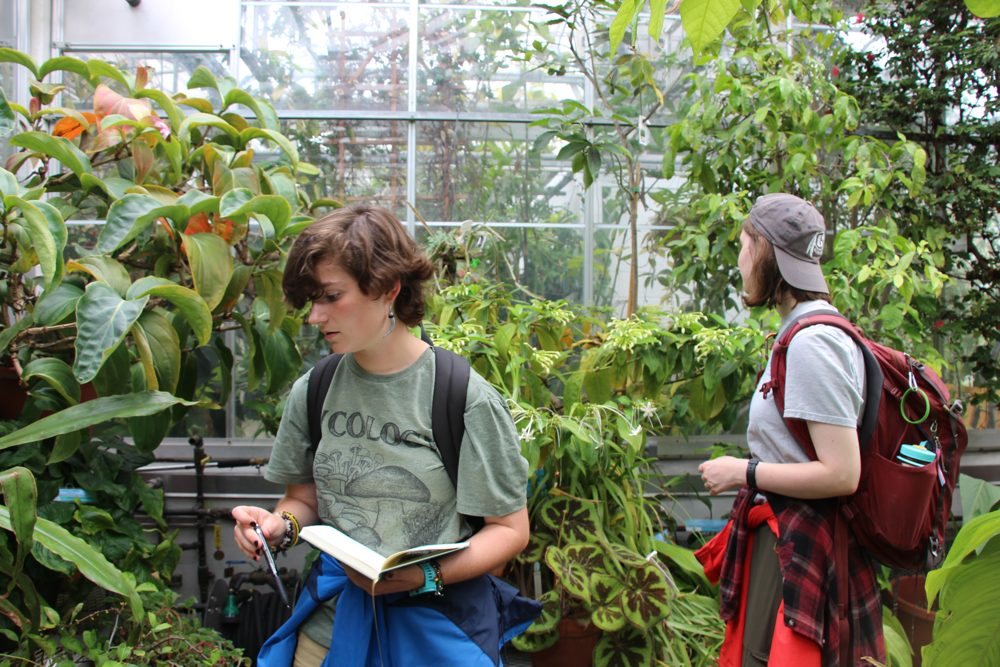
Applied Neuroscience: Nature as your Laboratory
AI & Creative Technologies: Art, Design, and the Future of Making
The Psychology of Happiness: Science, Wellbeing & Human Flourishing
*Dartmouth courses require a minimum of seven students to run. Courses will be confirmed by April 1 at the latest.
Why Dartmouth
Why Dartmouth
Three things shape a summer at Dartmouth: learning from Ivy League instructors who design their own courses, living alongside Dartmouth undergraduates, and spending two weeks on an iconic campus at the center of a New England college town.
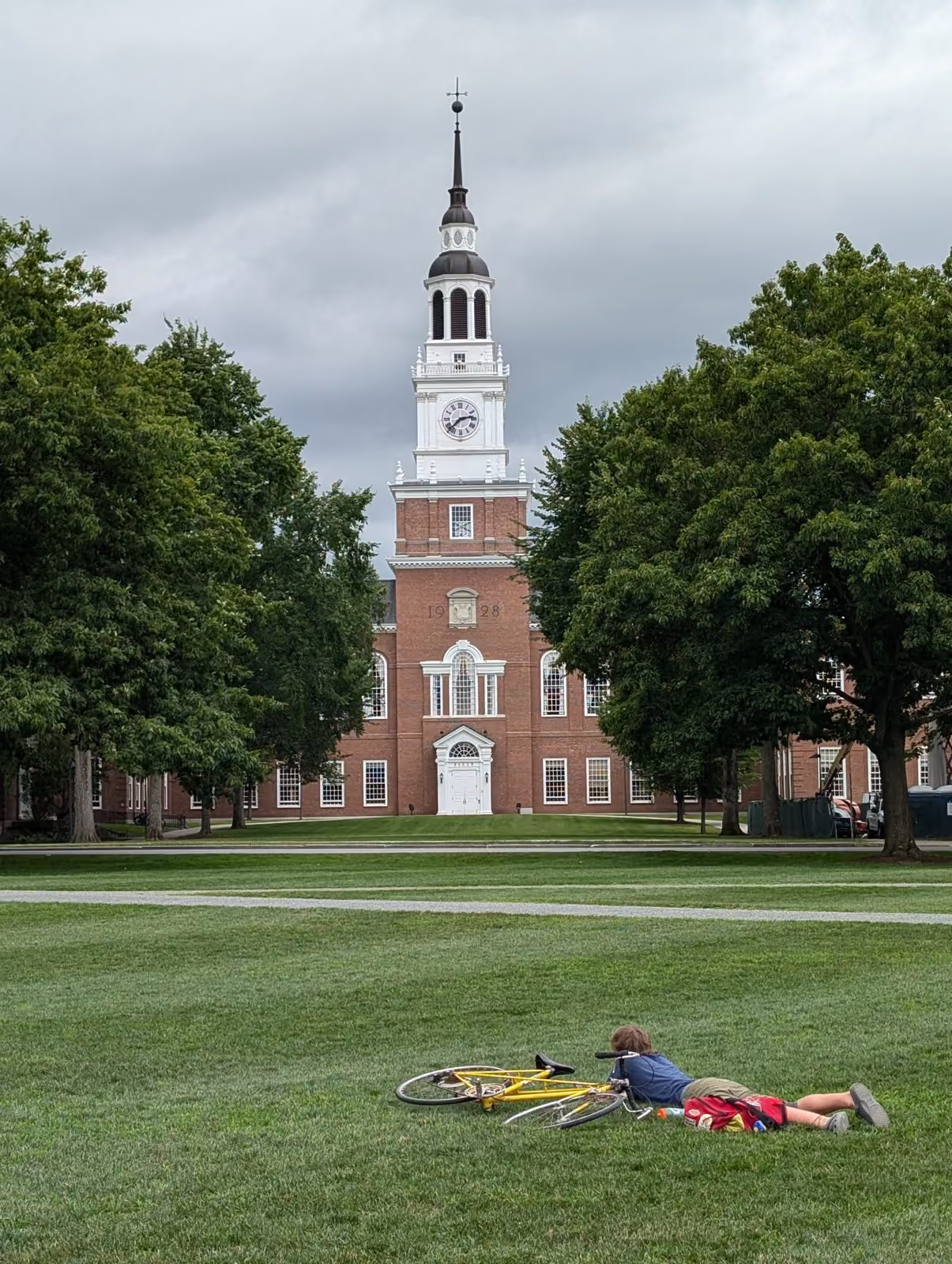
Dartmouth instructors teach every course.
Every course is designed and taught by a Dartmouth instructor: faculty, lecturers, and scholars who teach here during the academic year. Each course is a deep dive into their area of expertise and reflects current academic research, so students spend two weeks with someone who has spent a career on the subject. The catalog changes as their work does.
Campus is in session.
Summer is a full academic term at Dartmouth, so students arrive at a campus that is full of student life. Undergraduates are in class and in the residence halls, and they take part in the program as panelists, tutors, course assistants, and field guides. Much of what students take away comes from those conversations, with someone two or three years ahead who has already worked through the same questions.
Learning that extends beyond the classroom.
Dartmouth sits at the center of a New England college town, with a research hospital, an arts and culinary scene, and local businesses a short walk from the residence halls. The Connecticut River, the White Mountains, and the woods around Hanover are close enough to be part of an ordinary week.
Two weeks at Dartmouth push students past the surface of a subject. They leave thinking more critically and with a clearer sense of what they want to pursue next.
Voices
What Students and Families are Saying
I came here trying to find out whether psychology is something I'm really interested in, and these classes have shown me that yes, psychology and neuroscience are definitely something I'm interested in studying in the future.
Ruby May, North Carolina · Psychology & Cognitive Neuroscience
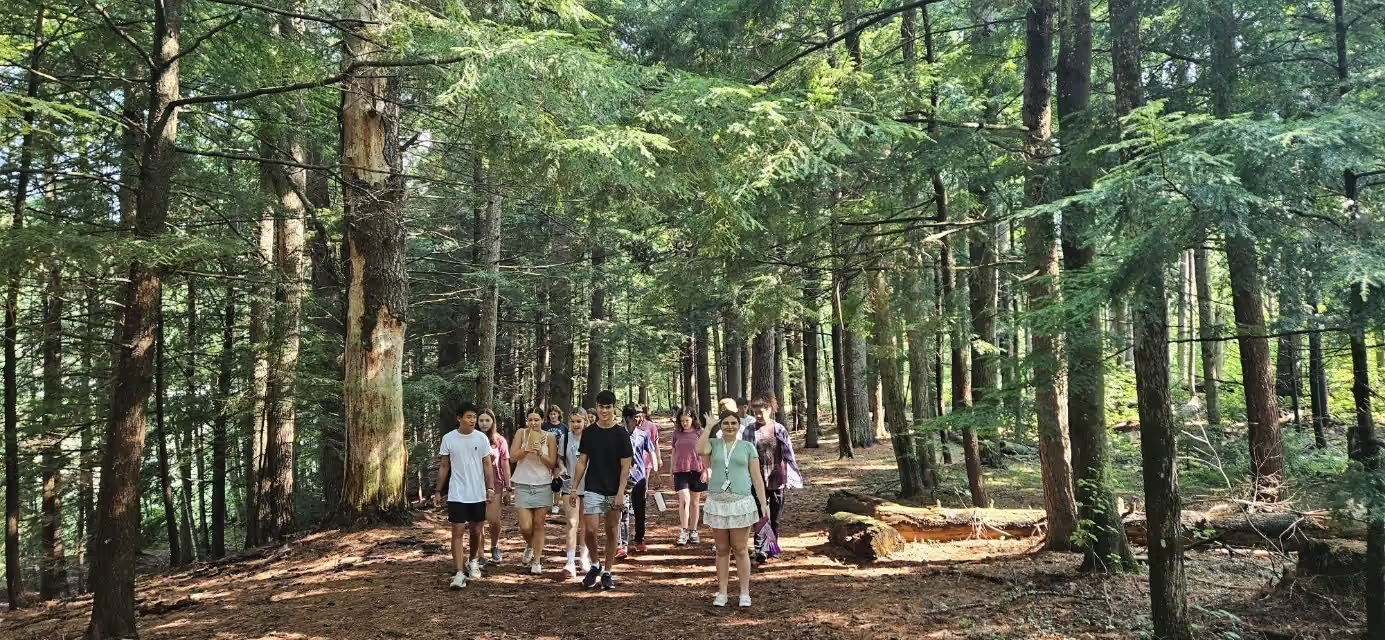
“The classes are really fun, and it's not just traditional sitting in a classroom. I learned a lot about leadership and how I can be a better team captain for my soccer team next year. And the hike was absolutely amazing.”
Johnny, Hong Kong · The Dartmouth Leadership Institute
“This program bolstered her confidence in her academics, and in her ability to build relationships within a community.”
Parent of a 2026 Summer Scholar
For families
For Parents and Guardians
Precollege Summer Scholars is an academic program with a competitive application, taught by Dartmouth instructors, with five hours of class each day. Students choose a subject they are curious about and go further into it than a high school timetable allows.
Residential life is overseen by a team of counselors, with approximately one counselor for every 10 students. Tuition covers housing, three meals a day on campus, activities and excursions, transport for those activities, safety, and supervision.
Much of what students take home is beyond the academic experience. They manage their own time, live with someone they have not met before, and navigate a campus, a schedule, and a town on their own, with support nearby. Every student leaves with a certificate of completion. Students who join the optional personal statement workshop also leave with either a brainstorm of essay topics or personalized feedback on a draft.
Summer 2027
Early applications close Dec. 15.
Applications for summer 2027 are open and reviewed in three rounds: early application by Dec. 15, round one by Jan. 26, and round two by March 23. After March 23, applications are reviewed on a rolling basis while seats remain. Historically, the most popular courses tend to fill by February, so we advise applying earlier in the application cycle to secure your spot in your top choice course.
Start your 2027 application.
Applications are hosted by Summer Discovery, Dartmouth's partner for Dartmouth Precollege Summer programs. Admission decisions are made by Dartmouth.
Not ready to apply? Tell us about the student and we will send courses, dates, tuition, and deadlines.
Questions
Frequently Asked Questions
What is Dartmouth Precollege Summer Scholars?
Dartmouth Precollege Summer Scholars is a two-week academic course for high school students on Dartmouth's campus in Hanover, NH. Students take one intensive course designed and taught by a Dartmouth instructor, live in a residence hall, and take part in campus life alongside Dartmouth undergraduates. Six sessions run from June 27 to Aug. 13, 2027.
What is the difference between Summer Scholars and the Leadership Institute?
Summer Scholars is one intensive course in a subject the student chooses, from medicine and neuroscience to engineering, business, and creative writing. The Leadership Institute is about developing the student: a week on campus working through leadership models and self-assessment, then a week in the White Mountains where hiking, navigation, and team challenges test it. Summer Scholars offers residential and commuter options. The Leadership Institute is residential only and involves substantial time outdoors.
Who can apply?
Students from the United States and internationally are both welcome. Admission is through a competitive application.
Do students earn college credit?
No. Courses are taught at the college level but are not for grades or credit. Students can take on demanding material without an exam or a transcript depending on it.
How much is tuition for 2027?
For 2027, Summer Scholars tuition is $8,299 for residential students and $4,999 for commuter students. The Dartmouth Leadership Institute is $9,299 and is residential only. Some courses carry an additional academic fee.
What does tuition include?
Tuition covers academic tuition, housing, three meals a day on campus, afternoon, evening, and weekend activities and excursions, transport for included activities, use of athletic facilities, linens, laundry facilities, and safety and supervision. Airfare, the application fee, meals off campus, and spending money are not included. 2027 tuition by course, including commuter tuition, is listed on the tuition page.
When are the 2027 application deadlines?
Early applications close Dec. 15, round one closes Jan. 26, and round two closes March 23. After that, applications are reviewed on a rolling basis while seats remain. Many of the most popular courses fill by February, so applying in the early application or round one cycle gives students the best chance at the course they want most.
How are students selected?
Students are selected through a competitive application process and placed into the course determined to be the best fit for their interests and academic readiness. For courses with specific prerequisite requirements, please see individual course descriptions.
Can students commute?
Yes, for Summer Scholars. Commuter students take part in the academic and campus day and return home in the evening and weekends. The Leadership Institute is residential only.
Does this program help with college admissions?
Students tell us the program helps them approach college applications with more clarity. They have tested a subject before committing to it, lived away from home, managed their own time, and worked with students from around the world. That experience can make a student a stronger applicant anywhere, because they understand their own interests better and know more about what they want from college.
Dartmouth's undergraduate admissions process is separate and independent from Dartmouth Precollege programs. Participation in Dartmouth Precollege programs does not affect your admissibility for Dartmouth Undergraduate Admissions. For information regarding Dartmouth Undergraduate Admissions, please visit admissions.dartmouth.edu.
If you choose to include your Dartmouth Precollege experience in any college application, we encourage you to consider reflecting on your experience with Dartmouth Precollege, and how you felt you learned, grew, and developed your talents and curiosity during your time with us.
This email has already been used to submit a request. Please reach out if you have any questions or want to learn about another campus.